Commercial properties need flooring that can handle daily activity while still creating a clean and professional environment. Different businesses have different requirements, so the best flooring choice depends on traffic, maintenance, appearance, moisture, and the type of work taking place. Polished concrete has become an option worth considering for many commercial spaces because it combines a finished appearance with the existing strength of a concrete substrate.
For businesses planning polished concrete Cincinnati projects, understanding where this flooring works best can make the selection process easier.
Retail and Showroom Spaces
Retail stores and showrooms often need floors that look professional without requiring complicated daily maintenance. Polished concrete can provide a smooth, finished appearance that works with modern, industrial, or minimalist interior designs.
The reflective quality of a polished surface can also influence how a space feels under artificial lighting. Different levels of polishing can create different appearances, allowing businesses to choose a finish that suits the property.
However, the condition of the existing concrete should be assessed before work begins. Cracks, stains, uneven areas, and previous coatings may affect preparation requirements and the final result.
Warehouses and Light Industrial Areas
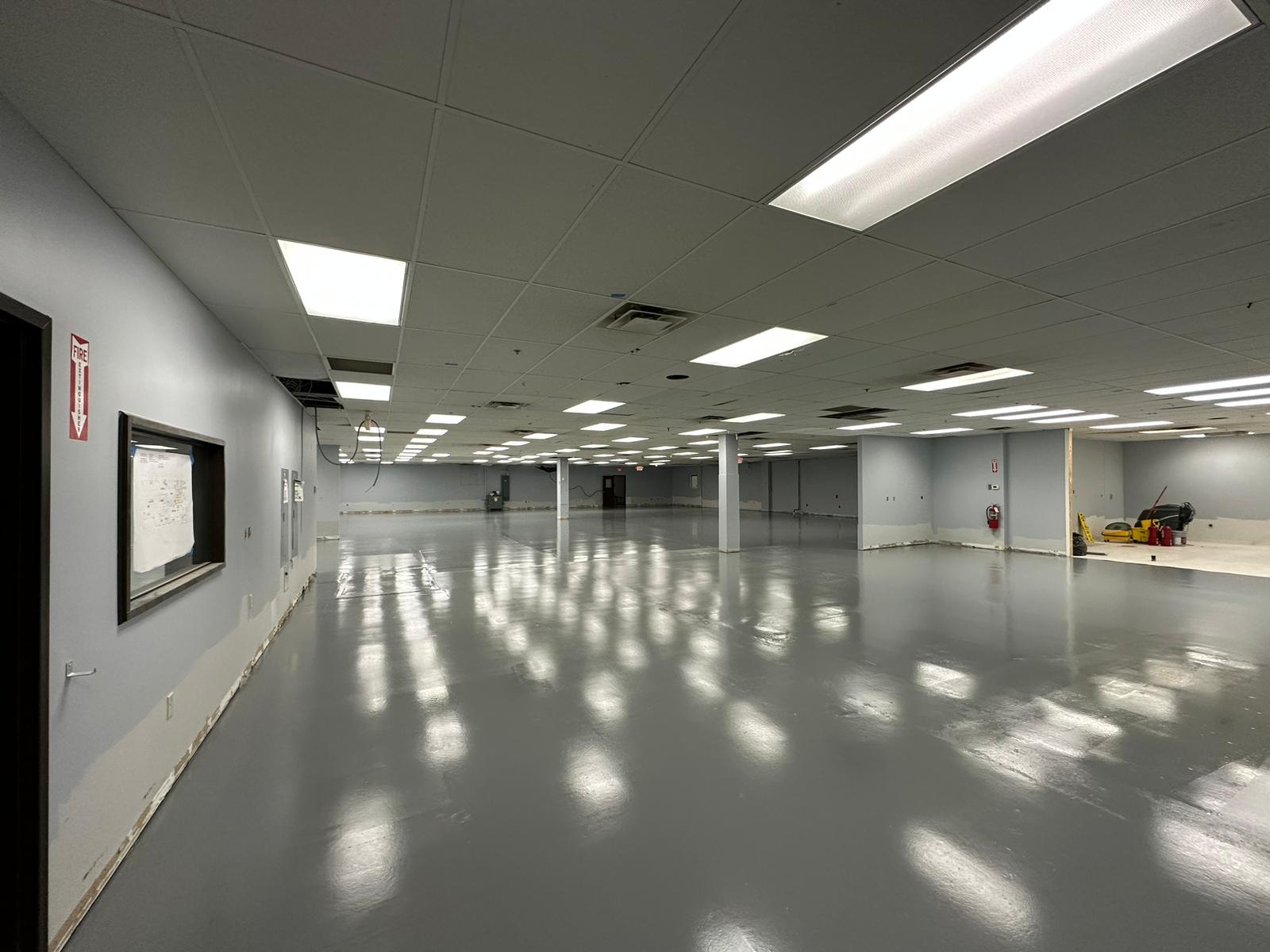
Warehouses experience regular movement from employees, carts, equipment, and stored materials. In suitable conditions, polished concrete can provide a durable surface that is easier to maintain than unfinished concrete.
The floor can also help create a more organized appearance when combined with appropriate markings and designated work zones.
For facilities with heavier equipment, chemical exposure, or demanding industrial processes, however, other flooring systems may be more appropriate. Flooring should always be selected based on actual operating conditions rather than appearance alone.
Offices and Commercial Workspaces
Polished concrete is not limited to warehouses and retail properties. It can also work in offices, studios, creative workspaces, and other commercial interiors where a contemporary appearance is preferred.
Its clean visual style can complement open floor plans and modern interiors. Businesses can also use furniture, rugs, partitions, and other design elements to soften the appearance when needed.
Comfort should still be considered. In offices where employees stand for long periods, the overall workplace design should account for factors beyond the floor surface, including workstations, mats, and appropriate footwear.
Restaurants and Hospitality Areas
Restaurants, cafés, and hospitality properties need flooring that can handle frequent foot traffic and regular cleaning. Polished concrete may be suitable for dining areas, entrance zones, and other spaces where a durable finished surface is desired.
Kitchen areas may have different requirements because of grease, moisture, heat, and slip concerns. A flooring system selected for a dining room should not automatically be assumed to suit a commercial kitchen.
Transitions between different flooring systems should also be planned carefully. Proper detailing can help create a more practical connection between customer areas and service spaces.
What About Existing Concrete?
One of the main advantages of polished concrete is that it works with the existing concrete slab when the substrate is suitable. Instead of installing a completely separate floor covering, the concrete itself is mechanically processed and finished.
The condition of the slab therefore matters greatly. Serious damage, major unevenness, contamination, or unsuitable previous treatments may require additional preparation.
A professional evaluation can help determine whether the concrete is a good candidate for polishing and what level of preparation may be required.
Compare Commercial Flooring Options
Businesses should compare polished concrete with other commercial flooring systems before making a final decision. Commercial flooring Cincinnati properties use may include epoxy, resilient flooring, tile, carpet, or other materials depending on the environment.
Each option has different strengths, maintenance requirements, appearance, installation needs, and costs. The right choice should match the way the space operates rather than following a general trend.
It is also useful to consider future changes. A floor that works for the current business may need to accommodate new equipment, increased traffic, or changes in how the property is used.
Conclusion
Polished concrete can work well in many commercial environments, including retail spaces, showrooms, offices, warehouses, and selected hospitality areas. For polished concrete Cincinnati projects, the existing slab condition, expected traffic, maintenance routine, appearance, and operating environment should all be considered before installation. Businesses should also compare polished concrete with other commercial flooring Cincinnati properties may use to determine which system best matches their practical needs. Careful planning can help create a finished floor that supports both the appearance and everyday operation of the property.