Exploring the Everest region by helicopter gives travelers a chance to experience Nepal’s famous Himalayan scenery without following a lengthy trekking route. The journey can combine dramatic mountain views with a faster way of reaching the high-altitude areas around Everest.
An Everest Base Camp Helicopter Tour can include several stages, depending on the selected itinerary and current operating conditions. Understanding the general route, possible stops, and practical travel considerations can help you prepare for the experience.
Understanding the Typical Flight Route
Most helicopter journeys to the Everest region begin from Kathmandu and gradually move toward the high Himalayan landscape.
As the aircraft leaves the Kathmandu Valley, the scenery changes from urban surroundings to green hills, forests, deep valleys, and eventually rugged mountain terrain.
The exact flight path can vary according to weather, air traffic, and operational requirements.
What You May See Along the Way
Depending on visibility, passengers may observe:
-
Green hills around Kathmandu
-
Mountain villages
-
Deep valleys
-
Forested slopes
-
High mountain ridges
-
Glacial landscapes
-
Snow-covered peaks
The changing scenery is one of the major attractions of traveling by helicopter.
Possible Stops During the Journey
The exact stops depend on the tour itinerary. Some arrangements may include a landing or viewing opportunity in the Everest region, while others may follow a different operational plan.
Before booking, ask the operator which locations are included and how much time is allocated at each stop.
Why Stop Locations Matter
A stop can provide travelers with time to:
-
Take photographs
-
Observe the surrounding mountains
-
Experience the high-altitude environment
-
Rest briefly
-
Appreciate the landscape away from the aircraft
However, all stops are subject to current weather and operational conditions.
Experiencing the Everest Base Camp Area
The area around Everest Base Camp is one of the major highlights of the journey.
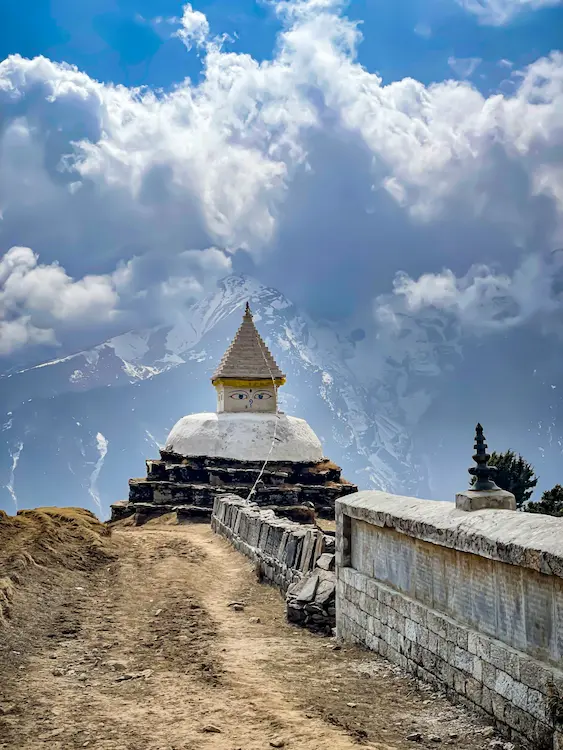
The landscape is noticeably different from the lower Himalayan valleys. Rocky terrain, glaciers, dramatic peaks, and high mountain ridges dominate the surroundings.
Travelers should follow the instructions of the pilot and ground staff when visiting or landing in high-altitude areas.
How Long Does the Journey Take?
The total duration can vary depending on the selected itinerary, weather, landing arrangements, and operational conditions.
Rather than relying on a fixed duration advertised elsewhere, travelers should confirm the current schedule directly with their operator.
This is particularly important when planning other activities on the same day.
Weather Can Influence the Route
Weather is a major factor in Himalayan aviation. Cloud cover, wind, rain, and visibility can influence both the timing and route of a helicopter journey.
An Everest Base Camp Helicopter Tour should therefore be planned with some flexibility.
Leave Space in Your Schedule
If you have an important flight, hotel check-in, or other reservation afterward, avoid making the timing too tight.
A buffer can give you more flexibility if the helicopter schedule changes because of mountain weather.
What to Wear
Temperatures around the Everest region can be much colder than in Kathmandu.
Wear layers so that you can adjust to changing conditions.
Useful items include:
-
Warm jacket
-
Comfortable shoes
-
Sunglasses
-
Sunscreen
-
Gloves
-
Personal medication
Your operator may provide additional recommendations depending on the itinerary.
Carry the Right Amount of Luggage
Helicopters have limited cabin space, so travelers should avoid unnecessary baggage.
Before departure, confirm the current baggage allowance and organize your essentials accordingly.
Keep your identification, phone, travel documents, medication, and valuables easily accessible.
Tips for Better Views
The scenery can change quickly, so keep your camera or phone ready.
Instead of photographing only Mount Everest, capture the surrounding landscape as well.
Look for More Than Mountain Peaks
Some of the most interesting views may include:
-
Mountain valleys
-
Glaciers
-
Remote villages
-
Trekking trails
-
River systems
-
Contrasting vegetation
These details can help tell the story of the entire journey.
Helicopter Travel After a Trek
Some travelers combine helicopter transportation with a trekking itinerary rather than taking a dedicated sightseeing tour.
For example, trekkers who have completed the Everest Base Camp route may consider a Gorakshep to Lukla Helicopter flight as part of their return journey.
This can reduce the amount of walking required after reaching the upper Everest region.
How the Return Journey Works
A Gorakshep to Lukla Helicopter flight generally serves a different purpose from a sightseeing tour.
The helicopter tour is focused on experiencing the Everest region from above, while a return flight from Gorakshep can help trekkers shorten their journey toward Lukla.
Travelers should choose the option that matches their overall itinerary.
Keep Your Booking Details Accessible
Save your operator’s contact information and booking confirmation on your phone.
It is also useful to keep important details available offline because connectivity may not always be reliable in remote areas.
If the schedule changes, having the correct contact information can make communication easier.
Final Travel Checklist
Before Your Flight
-
Confirm the current itinerary.
-
Check the expected stops.
-
Review baggage restrictions.
-
Monitor the weather.
-
Dress for colder conditions.
-
Keep identification accessible.
-
Charge your phone and camera.
-
Leave flexibility for schedule changes.
Final Thoughts
An Everest Base Camp Helicopter Tour offers a memorable way to experience the Everest region while avoiding the time commitment of a traditional multi-day trek. Understanding the possible route, stops, weather considerations, and practical requirements can help travelers prepare more effectively.
For trekkers already exploring the Everest region, a Gorakshep to Lukla Helicopter flight can provide a convenient way to shorten part of the return journey after visiting Everest Base Camp.
Whether you are visiting the Himalayas specifically for aerial sightseeing or incorporating helicopter transportation into a longer trek, careful planning is essential. Confirm the current itinerary, prepare for changing weather, follow operator instructions, and leave enough flexibility to enjoy the journey without unnecessary stress.