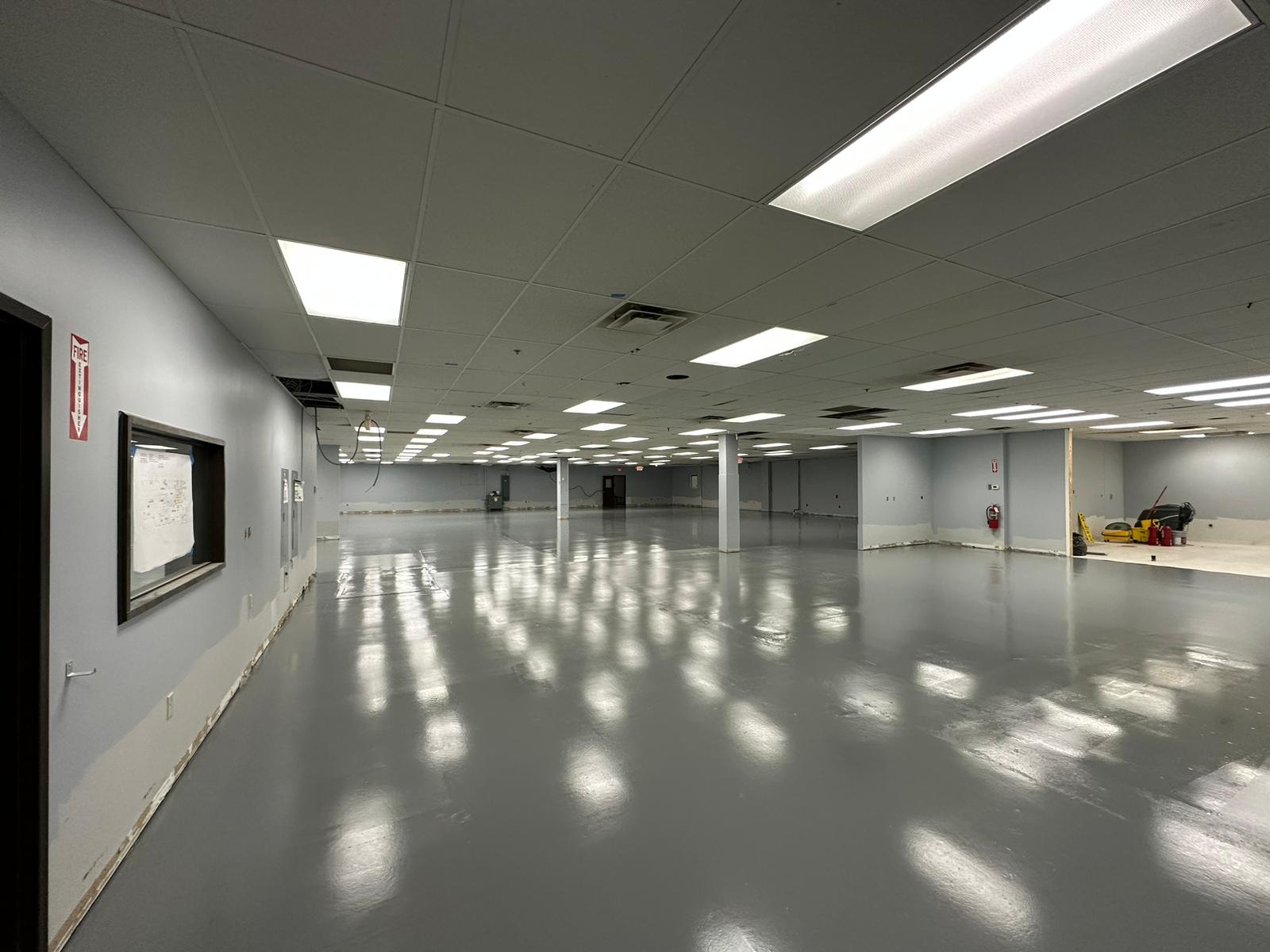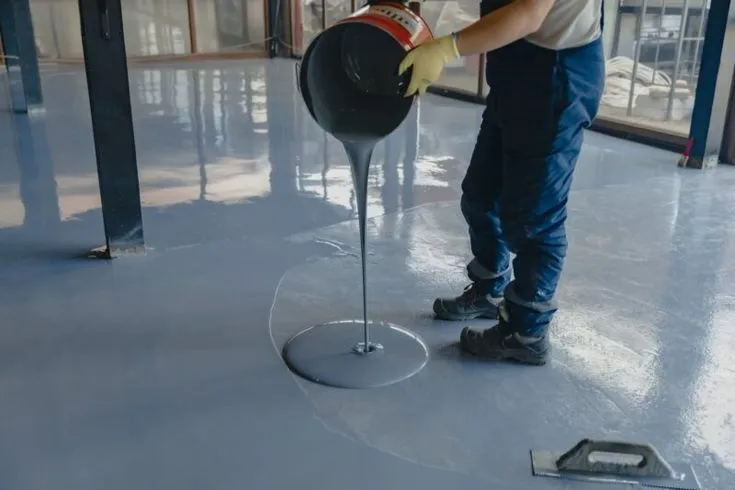
Searching for an epoxy flooring contractor can appear simple until several companies present very different services, materials, and installation methods. One may focus on decorative residential coatings, another on commercial kitchens, and another on heavy industrial facilities. These differences matter because flooring should match the environment in which it operates. Before requesting estimates, property owners and facility managers should confirm contractor specialization, preparation standards, traffic demands, and maintenance expectations rather than assuming every installer offers the same type of work.
Start With the Type of Property
The first question should be simple: what kind of environment needs flooring? Homes, restaurants, warehouses, production areas, and veterinary facilities all place different demands on a surface.
A search for Epoxy Flooring for Homes Nj may return companies with very different service scopes, including contractors that primarily work in commercial or industrial settings. The search phrase alone does not confirm that a company accepts residential projects. Reviewing actual service pages and asking directly about project eligibility can prevent wasted time and mismatched quotations.
Match Experience to the Facility
Relevant experience is more valuable than a broad claim of being able to coat any concrete floor. A warehouse contractor should understand forklift traffic, turning zones, loading areas, and damaged joints. A food-service contractor should be familiar with washdowns, grease, drainage, sanitation routines, and slip resistance.
Manufacturing spaces may add chemicals, machinery, and impact loads. Animal-care environments can require frequent disinfection, moisture resistance, and practical traction. The closer the contractor’s experience matches the facility, the easier it becomes to build a suitable specification.
Ask About Concrete Preparation
The finished coating receives most of the attention, but the concrete beneath it strongly affects performance. Existing coatings, contamination, weak surface material, cracks, and moisture concerns should be evaluated before installation.
A contractor should explain how the concrete will be mechanically prepared and how damaged areas will be repaired. Grinding or shot blasting can create a suitable profile for resinous materials, while cracks and spalled areas may need additional treatment. A proposal that focuses mainly on color without explaining preparation deserves closer scrutiny.
Compare Complete Systems
The term “epoxy floor” can describe many different systems. One project may require a basic resinous coating, while another may need primers, high-build layers, aggregates, specialized topcoats, or moisture-control products.
When someone searches for an Nj Epoxy Flooring Company Near Me, proximity can be useful, but the nearest contractor is not automatically the most suitable. Compare preparation, number of layers, expected thickness, texture, chemical resistance, curing requirements, and repair work. This makes it easier to understand why quotations for the same floor area may differ significantly.
Plan Around Downtime
Commercial flooring work can interfere with normal operations. Equipment may need to be moved, aisles closed, work zones isolated, or staff rerouted while the floor is prepared and installed.
Facility managers should ask how long each stage requires and when the surface can safely return to traffic. Large sites may be suitable for phased installation, allowing some sections to remain active while work continues elsewhere. Reducing downtime matters, but preparation and curing should not be shortened simply to create a faster schedule.
Review Maintenance Expectations
A flooring system should fit the way the facility is cleaned. Managers should discuss detergents, sanitation products, scrubbers, and chemicals that regularly reach the floor.
Texture also affects maintenance. A highly textured surface may provide useful traction in wet areas but require more cleaning effort than a smoother finish. Before approving a proposal, ask how routine cleaning should be handled and how localized damage should be repaired if it occurs.
Look Beyond the Lowest Price
A lower quotation can be attractive, especially on a large floor, but price comparisons are useful only when the scopes are equivalent. One proposal may include extensive surface preparation and crack repair while another excludes those tasks.
Decision-makers should compare preparation, materials, labor, downtime, exclusions, and maintenance together. A flooring project that reduces repeated repairs and operational disruption may offer better long-term value even if its initial cost is higher.
Conclusion
Choosing an epoxy flooring contractor begins with confirming that the company’s actual specialization matches the property and its operating conditions. Search results and broad service terms are useful starting points, but they should not replace a detailed review of project scope.
Facility managers should evaluate experience, concrete preparation, system design, downtime, maintenance requirements, and quotation details before making a decision. When these factors are considered together, it becomes easier to select a flooring approach that fits the building instead of forcing a generic coating into an unsuitable environment.