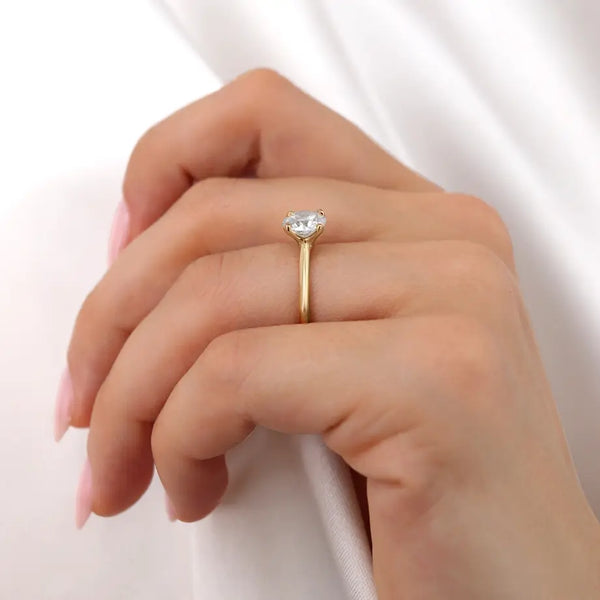
When exploring the world of engagement rings and fine jewelry, one name that frequently comes up is lily arkwright. Known for its commitment to ethical gemstones and exquisite craftsmanship, the brand offers a variety of ring styles that cater to different preferences and aesthetics. Among these styles, halo settings have become increasingly popular due to their ability to enhance the visual appeal and elegance of a ring. But how exactly do halo settings transform ring designs? The answer lies in their ability to amplify brilliance, add a sense of luxury, and create a more striking overall appearance.
A halo setting typically features a central gemstone surrounded by a ring of smaller accent stones. This arrangement can dramatically alter the look and feel of a ring, regardless of the center stone’s size or cut. The surrounding diamonds or moissanites catch and reflect light, which makes the central gem appear larger and more radiant. This optical illusion is one of the main reasons halo settings are beloved by those who want maximum sparkle without necessarily increasing the carat size of the center stone.
The versatility of halo settings allows for a wide range of design possibilities. From classic round halos to more contemporary geometric and floral-inspired patterns, each variation offers a different way to express personal style. At lily arkwright, for instance, halo settings are often paired with lab-grown diamonds and moissanites to create ethically sourced pieces that don’t compromise on beauty or brilliance. These combinations allow customers to enjoy sustainable luxury while benefiting from the visual enhancements a halo setting provides.
One of the most significant ways halo settings transform ring designs is through the illusion of grandeur. A modest-sized center stone can appear significantly larger when encircled by a halo of smaller gems. This is particularly beneficial for individuals who want a bold and dazzling ring but are working within a specific budget. The extra sparkle from the halo creates a glamorous and eye-catching effect, making the entire ring feel more luxurious and ornate.
Moreover, halo settings can be adapted to various gemstone cuts and shapes, further enhancing their appeal. Whether it’s a cushion, oval, pear, or emerald-cut stone, the halo can be customized to complement and accentuate the unique features of each shape. This design flexibility allows jewelers to create cohesive, balanced designs that draw attention to the center stone while adding texture and depth to the overall appearance. For more helpful blog posts like this one, visit the rest of our site Privatedelights.
Halo settings also offer a layer of protection for the central gemstone. The surrounding halo can act as a buffer against accidental bumps or scratches, which is an added advantage for those who wear their rings daily. While aesthetics often take center stage, practical considerations like durability and longevity are just as important, especially in engagement rings that are meant to last a lifetime.
Another benefit of the halo design is its ability to blend vintage charm with modern elegance. Some halo styles mimic the intricate details of antique jewelry, with milgrain edges and intricate pavé work, while others feature sleek, minimalistic designs that align with contemporary trends. This adaptability ensures that halo settings can suit a wide variety of tastes and preferences.
In conclusion, halo settings offer more than just added sparkle-they redefine the entire aesthetic of a ring. By making the center stone appear larger, enhancing brilliance, and offering design versatility, halo settings have become a cornerstone of modern ring design. Brands like lily arkwright understand the transformative power of these settings and incorporate them into their collections to offer rings that are as meaningful as they are beautiful. Whether chosen for their practical benefits or their visual impact, halo settings continue to be a favored choice among discerning buyers looking for timeless elegance and ethical beauty.