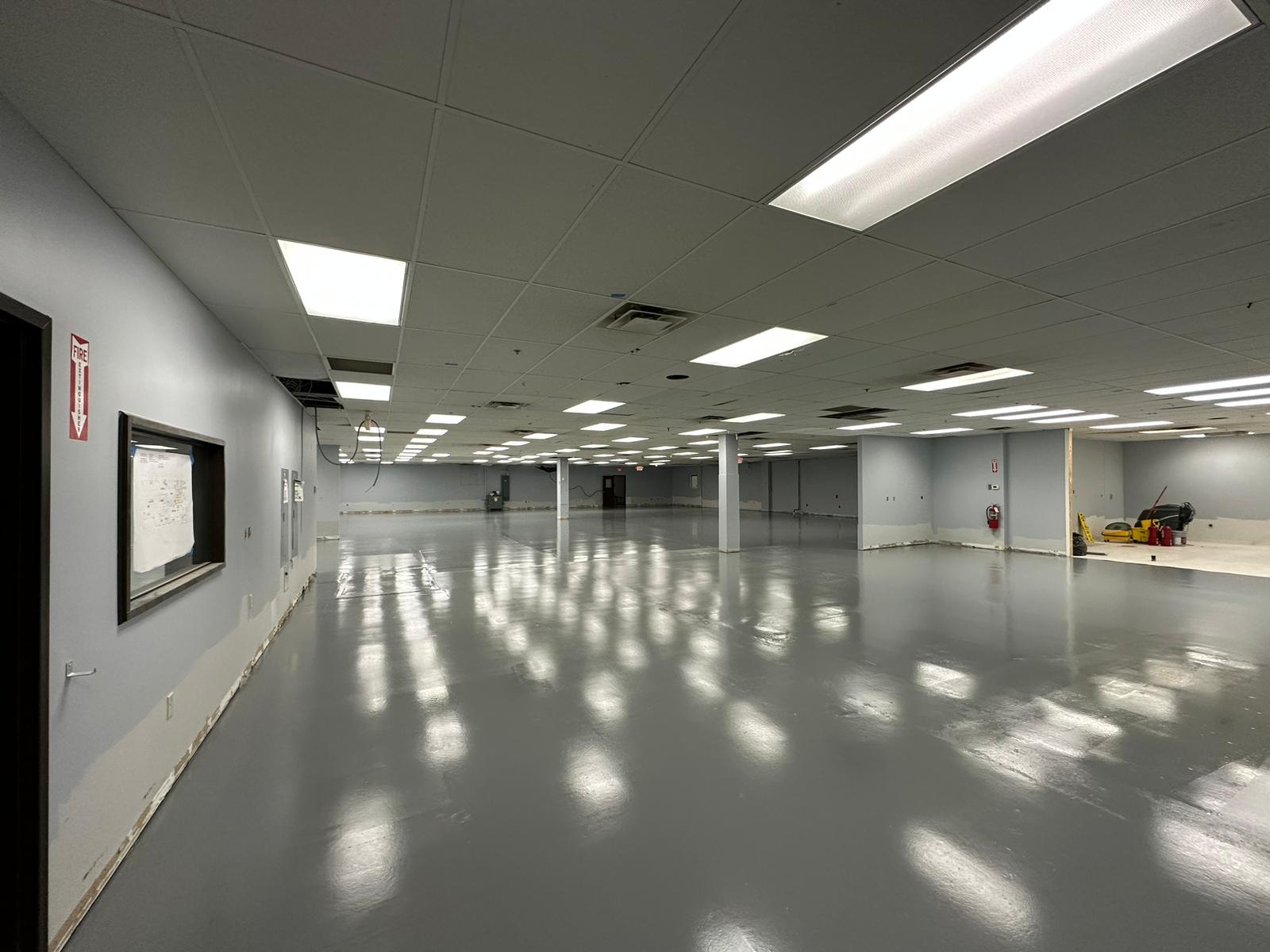
Running a busy commercial kitchen or a large manufacturing facility means you have to constantly worry about health inspectors checking your slabs. You cannot just use any regular floor paint because grease and hot washdowns will destroy it in a few days. It takes heavy-duty resin systems to actually create an impervious seal that stops bacteria from growing inside hidden cracks. Taking time to put down a proper chemical barrier stops your production line from being shut down over sanitation failures. Doing the job right the first time keeps your facility completely safe and operational.
Meeting Strict Health Authority Guidelines
Every local food production warehouse must deal with constant liquid spills, acidic fruit juices, and harsh chemical cleaning routines daily. Investing in a proper food grade flooring Central Coast installation provides a totally seamless surface that prevents dangerous bacteria from taking root. These advanced urethane or thick epoxy systems can handle thermal shock when workers blast the ground with boiling water or steam. You must have a textured slip-resistant profile so your employees do not slide around while carrying heavy trays or hot ingredients. Getting these commercial systems down properly keeps your operation running efficiently without any major health violations.
Checking Substrate Moisture Content
You have to test the concrete slab for hidden moisture vapor transmission before laying down any thick chemical resin layers. If water rises up from the soil underneath, it will cause the new non-porous floor coating to blister and pop. Technicians use digital concrete moisture meters to ensure the humidity level inside the concrete is well below four percent. If the slab is damp, you have to apply a specialized moisture vapor barrier primer coat first before proceeding. This extra technical step prevents your expensive commercial resin finish from peeling up in large chunks later.
Upgrading Commercial Showrooms Seamlessly
Many business owners require a distinctive, durable floor that looks exceptionally shiny and modern without the need for unlimited scrubbing sessions. Choosing an expert concrete polishing Newcastle will transform your dreary, dusty gray slab into a convenient, replica retail showroom floor. The process uses heavy walk-behind planetary machines equipped with diamond-grit pads to slowly hone the stone surface perfectly flat. This mechanical procedure densifies the concrete internally, which completely eliminates the frustrating white dust that usually ruins your retail stock. It creates a bright, reflective environment that naturally lowers your monthly electric lighting bills.
Grinding Concrete Pores Open
You must start the honing process with aggressive coarse metal-bond diamond segments to scratch away old surface sealers or glues. This initial heavy grinding stage levels out uneven expansion joints and removes any old tire marks or deep stains. It opens up the tightly troweled concrete matrix so the liquid chemical densifiers can penetrate deep into the slab structure. You must attach a powerful industrial dust extractor to the grinding machine to keep the air clean and breathable. Moving the heavy machinery at a slow, steady pace prevents deep swirl marks from showing through.
Applying Chemical Surface Hardeners
After the initial coarse grinding phases are complete, you have to spray a liquid lithium silicate densifier across the floor. This chemical compound reacts directly with the free lime inside the concrete to create a much tighter crystalline structure. It makes the floor incredibly hard and highly resistant to scratching from heavy pallet jacks and constant foot traffic. The liquid must soak into the concrete for about twenty minutes before you can begin the fine polishing stages. Skipping this chemical hardening process means your finished floor will lose its beautiful shine within just a few months.
Polishing with Resin Diamonds
You switch over to flexible resin-bonded diamond polishing pads once the chemical hardener has completely dried inside the slab. Each step uses a progressively finer grit level, starting around two hundred and going all the way up to three thousand. This repeating process slowly refines the surface scratches until the concrete starts naturally reflecting the overhead shop lights like glass. You must sweep the floor clean between every single pad change to prevent loose grit from scratching your progress. Applying a final micro-thin penetrating sealer coat shields the polished stone from fast oil or coffee stains.
Conclusion
Maintaining a clean production facility while creating a beautiful modern customer zone requires specialized industrial machinery and proper chemical knowledge. The experienced installation professionals at blastprepgrind.com utilize high-end diamond grinders and premium resins to deliver durable surfaces that withstand heavy daily wear. Rushing through the concrete honing phases or choosing cheap domestic floor paints always results in bubbling, staining, and early surface breakdown. Investing in premium surface treatments keeps your commercial workspace exceptionally hygienic, bright, and highly professional looking for many years to come. Please contact our main office today to discuss your next industrial flooring project.